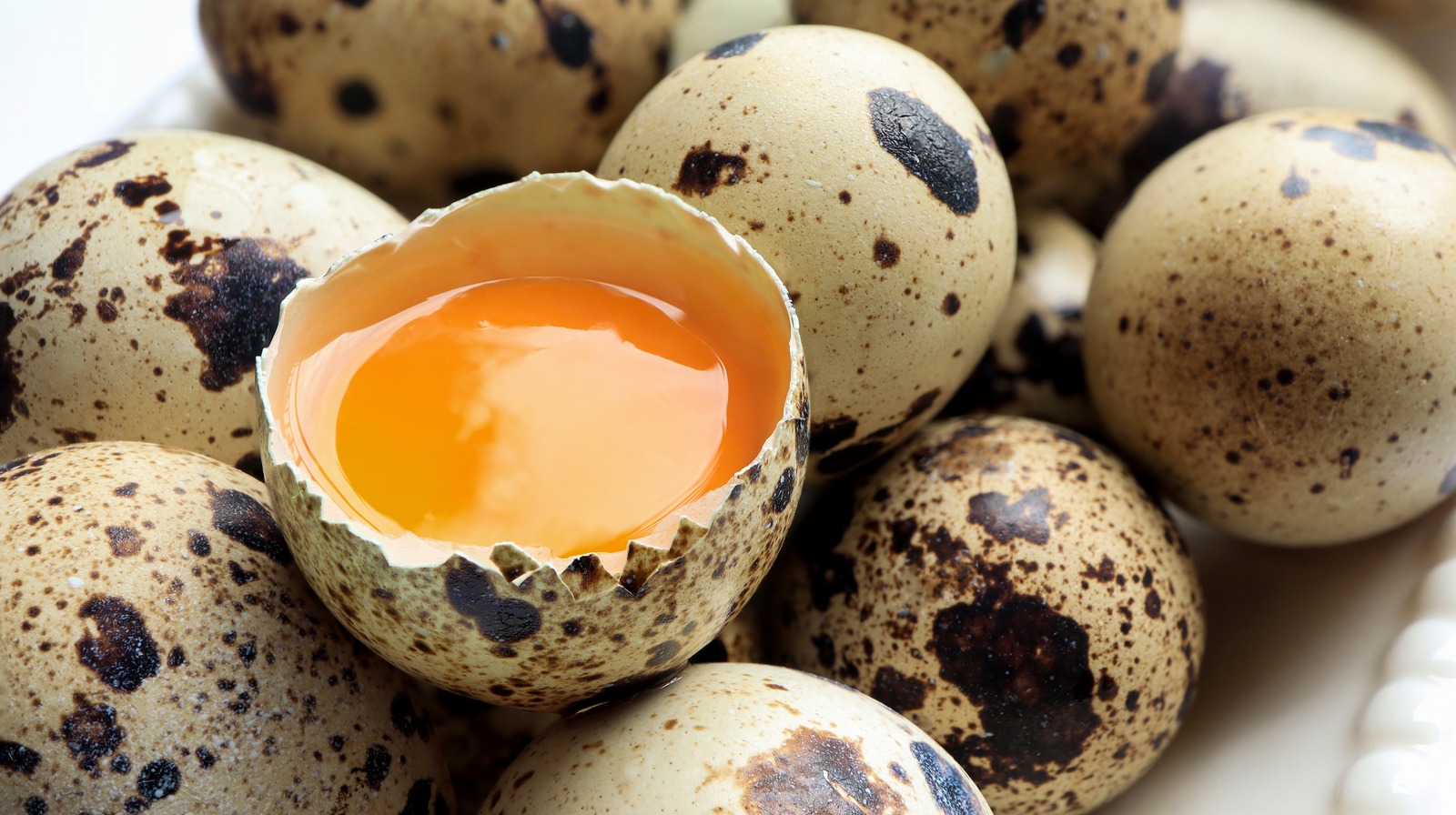
The Benefits of Quail Eggs
Small shell, big payoff. Here's what makes quail eggs one of the most nutrient-dense foods in the American kitchen.
It takes about five quail eggs to equal the volume of a single large chicken egg — yet ounce for ounce, those five deliver noticeably more protein, iron, and B-vitamins. That density is the reason cooks, athletes, and keto eaters keep coming back.
Nutrition
By the numbers
Per gram, coturnix quail eggs outperform chicken eggs on almost every micronutrient chart. The standouts from typical USDA comparisons:
Plus meaningful amounts of selenium and choline — rare for a food this small.
Ounce for ounce, nature's most nutrient-dense egg.
The Shell
Why the shell matters
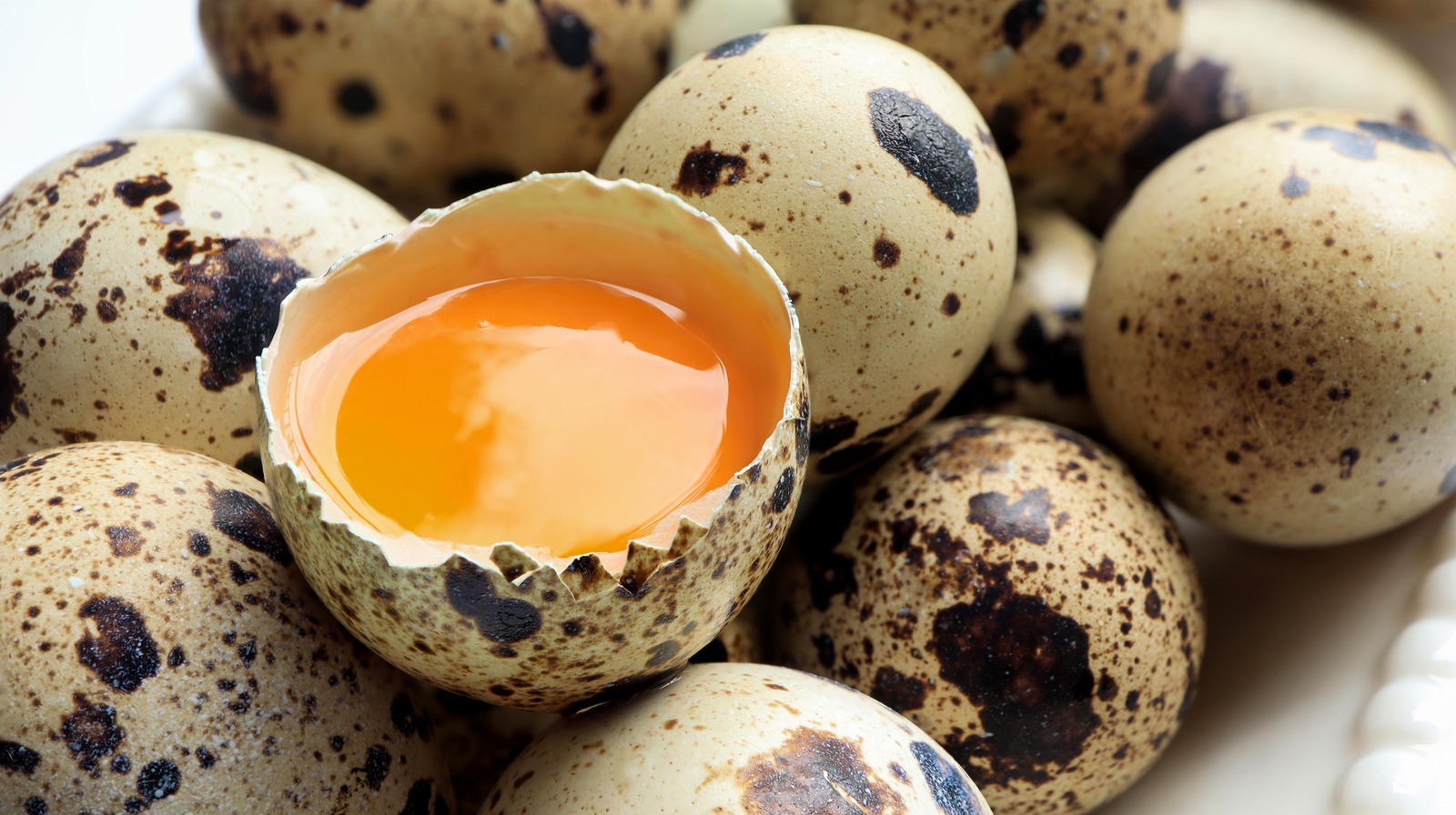
Quail eggshells are speckled and slightly more porous than chicken eggs, which is one of the reasons our birds produce such richly flavored yolks. The thinner shell also means the egg cooks faster — a soft boil is ready in about two and a half minutes.
Made For
Who they're good for
Folks on keto or low-carb plans love quail eggs because a serving of four to six fits perfectly into a macro-friendly breakfast. Parents of picky eaters find the small size less intimidating. And because quail eggs are less commonly associated with the same allergy profile as chicken eggs, some families find them easier to tolerate (always check with your doctor first).
In Closing
The bottom line
If you're going to eat eggs, eating the most nutritious one you can get your hands on is an easy win. Our coturnix eggs are gathered daily, washed gently, and delivered the same week they're laid to local retailers across MN and IL.
Continue Reading
Ready to taste the difference?
Check Availability